Geochemistry from the Neogene to the Neolithic
THEME 1: WINDS AND OCEAN CIRCULATION ACROSS TIME
Pacific Ocean Circulation During the Pliocene
Changes in ocean circulation can have important impacts on regional and global climate. During the Pliocene Epoch (~3–5 million years ago), a recent interval of Earth's history when global temperatures were warmer than today and which serves as an analogue for future climate change, it has been proposed that deep water formed in the subarctic North Pacific in a manner similar to the North Atlantic today. This hypothetical circulation pattern, sometimes referred to as Pacific Meridional Overturning Circulation (PMOC), would have had profound implications for the distribution of heat and carbon in the global ocean. However, the existing geochemical evidence from the subarctic North Pacific is complex and the hypothesis remains contentious.
To address this, we have an active NSF grant (NSF-OCE Marine Geology and Geophysics) supporting a collaboration with researchers at George Mason U. (Anya Hess, Natalie Burls, Geoffrey Gilleaudeau, Linda Hinnov) and the U. Arizona (Kaustubh Thirumalai, Diane Thompson).
Lehigh M.S. student Emma Lindemuth is generating marine sediment trace element data to assess North Pacific sediment porewater oxygenation and its drivers during the Pliocene. We are comparing our results with foraminifera-based datasets produced by our collaborators at the U. Arizona to identify key methodological limitations of both approaches. Additionally, Lindemuth and PI Abell are working with collaborators at Lamont-Doherty Earth Observatory (LDEO) (Gisela Winckler and Jennifer Middleton) to produce sedimentary redox reconstructions from the Southern Ocean, providing a Southern Hemisphere perspective on Pliocene deep ocean circulation.
Through additional external collaborations, we are actively assessing paleo-ocean circulation via complementary approaches (Novak et al., 2026).
Link to NSF-OCE MG&G grant funding this project.
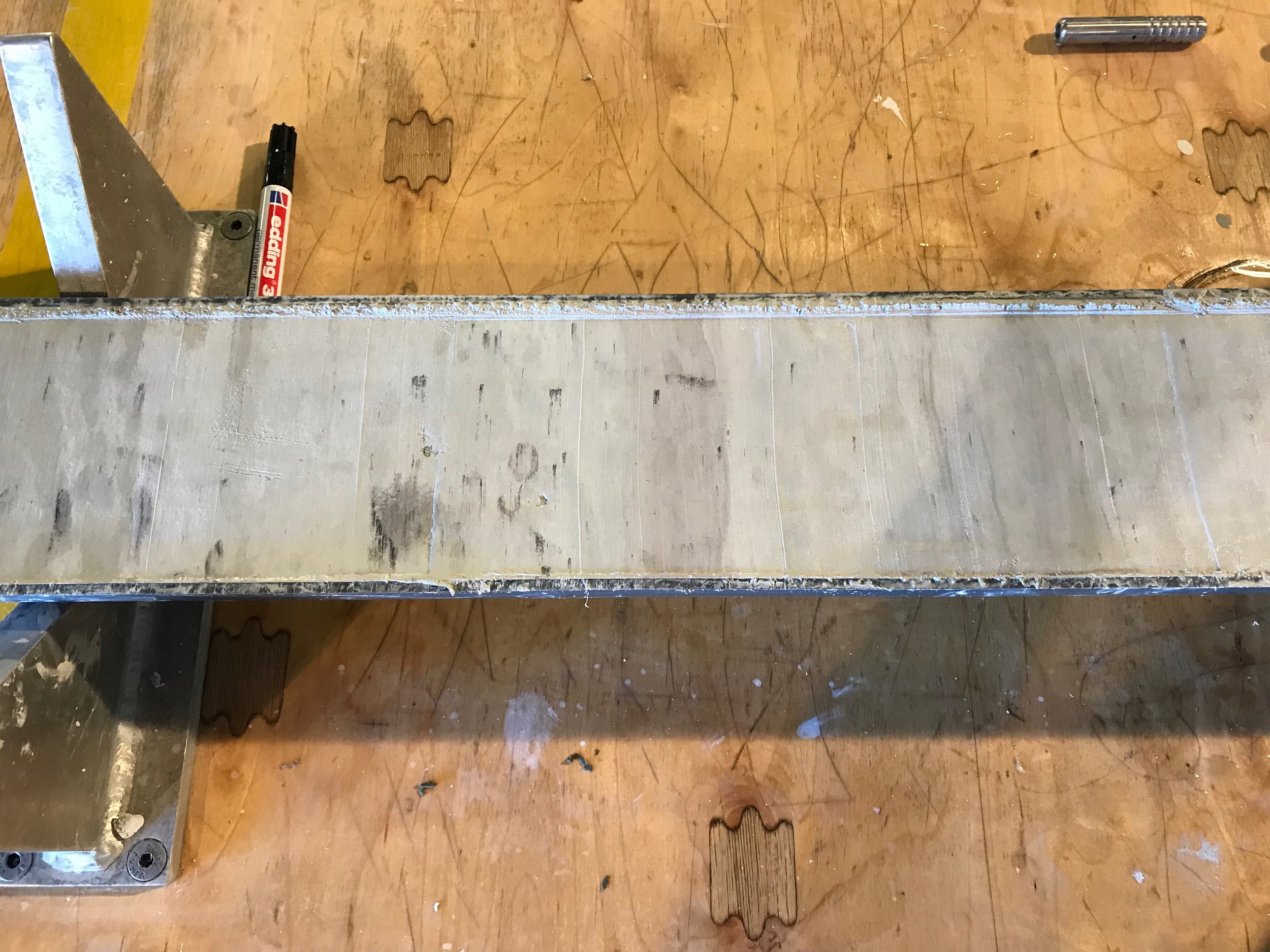
Marine sediment core from the North Pacific ocean.
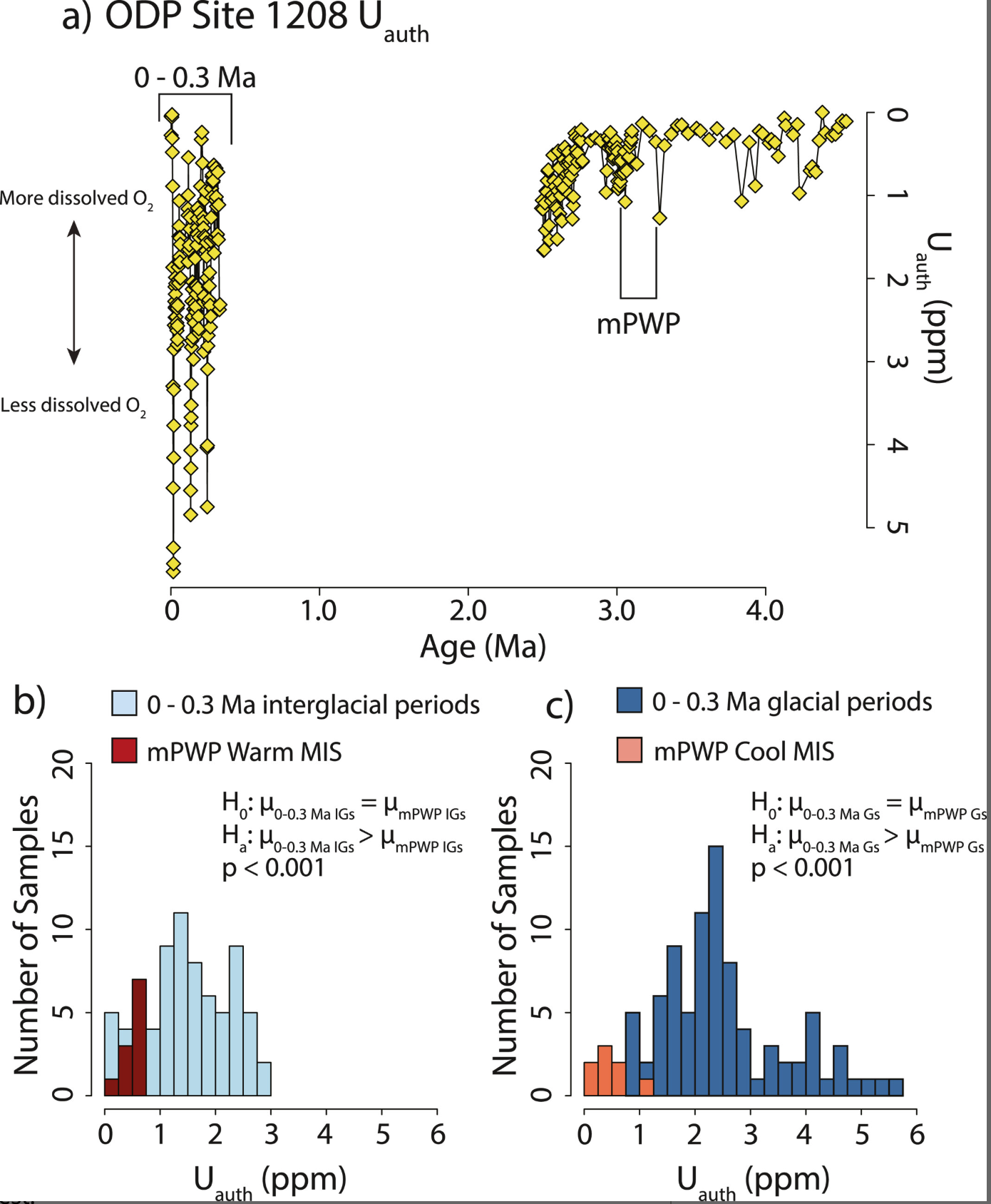
Redox proxy data for ODP 1208 in the North Pacific (Novak et al., 2026)

Tracing the Westerlies Across Climate States
Dust storm leaving China and passing over the Korean Peninsula and Japan on its way to the North Pacific Ocean. Photo credit: SeaWiFS Project, NASA/Goddard Space Flight Center, and ORBIMAGE.
The prevailing mid-latitude westerly winds are integral to regional and global climate, influencing the distribution of heat, precipitation, and aerosols across the Earth system. Over recent decades, the location and strength of the westerlies has been shifting, likely due to anthropogenic climate change. To better understand this phenomenon and its future trajectory, we reconstruct the position and intensity of the westerlies during key intervals of Earth's past with climate states different from today.
Our earlier work demonstrated that during warmer intervals of the Pliocene, the westerlies were located closer to the poles and were weaker than during the colder intervals of the early Quaternary (Abell et al., 2021). We interpreted these changes in the context of global temperature gradients and ice sheet evolution, and argued that if the Pliocene is an analogue for future warming, the poleward shift of the westerlies observed today will continue with further human-induced warming.
We are currently extending this approach in several directions:
With collaborators at LDEO (Gisela Winckler), we have NSF funding (NSF-P2C2) to reconstruct the Northern Hemisphere westerlies over the last ~150 thousand years using records of dust fluxes, dust provenance, and export productivity across three cores spanning ~15° latitude in the North Pacific. This work is led by LDEO Ph.D. student Aviva Intveld.
With collaborators at U. Arizona (Jessica Tierney) and LDEO (Gisela Winckler), we are reconstructing the Southern Hemisphere westerlies over the last ~150 thousand years using organic and inorganic geochemical tracers from multiple Tasman Sea sites, combined with climate modeling output, to quantify the independent roles of greenhouse gases and ice sheets. LDEO Ph.D. student Aviva Intveld and PI Abell are co-leading this project, building on earlier work funded by an NSF-OCE Postdoctoral Research Fellowship to PI Abell (Rattanasriampaipong et al., 2025).
We maintain several active collaborations that use a combination of proxy reconstructions and modeling to assess tectonic and ice sheet forcing of atmospheric circulation changes prior to the Pliocene (e.g., Stubbins et al., 2023; Wang et al., 2024; Han et al., 2025).
Together, these projects offer a roadmap for evaluating atmospheric circulation patterns in earlier intervals of Earth's past that are directly relevant for understanding future warming.
Link to NSF-OCE-PRFP grant that funded part of these projects
Link to NSF-P2C2 grant funding parts of these projects
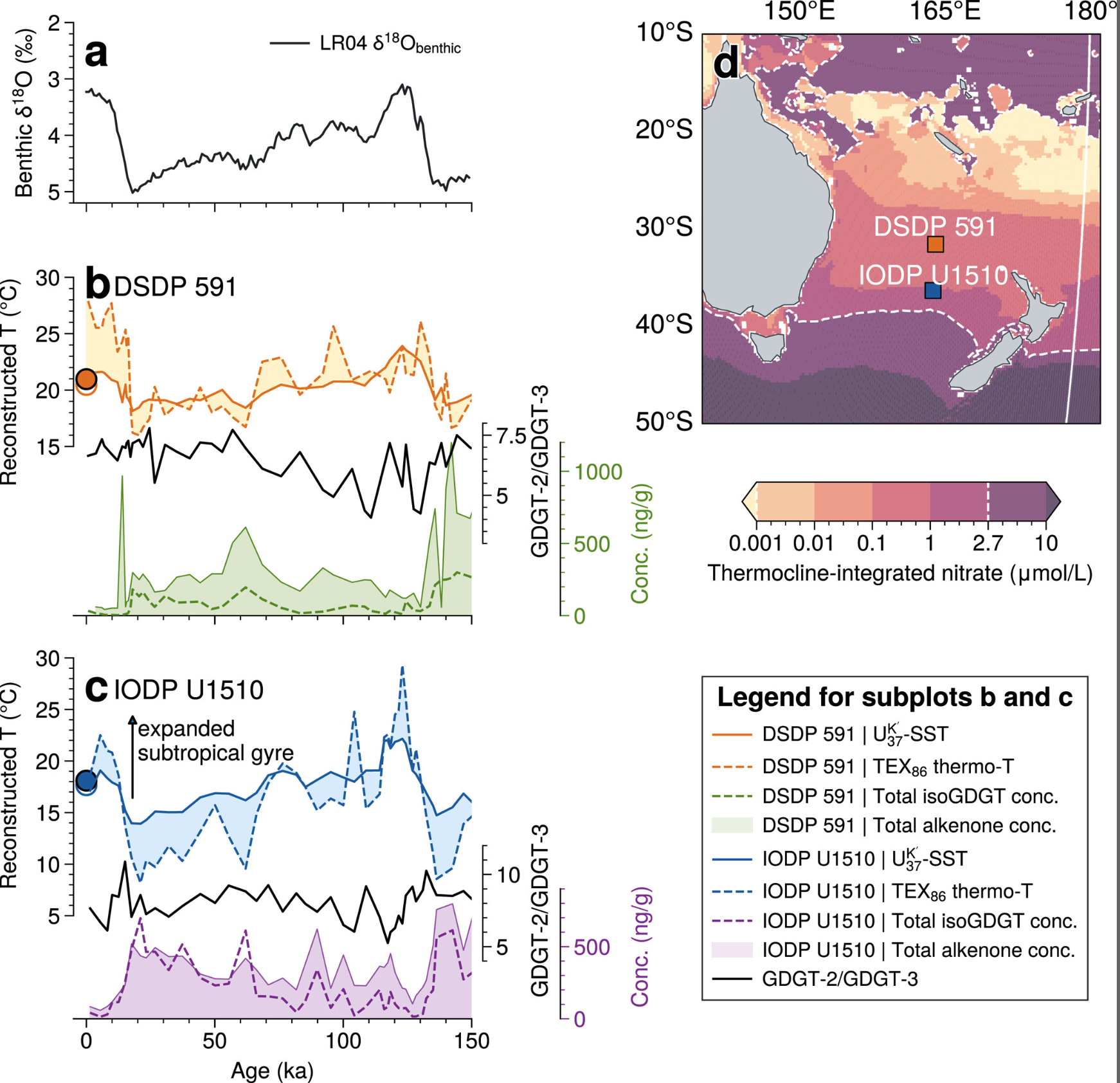
Tasman Sea temperatures and productivity reflect the position of the westerlies (Rattanasriampaipong et al., 2025)
Iron Fertilization as a Driver of Ocean Productivity and Climate Change
Iron delivered to the ocean, whether by dust, volcanic ash, or glaciogenic sediments, can fertilize phytoplankton growth, draw down atmospheric carbon dioxide, and influence global climate. Understanding when, where, and to what extent iron fertilization has acted as a meaningful driver of past climate change is a central question in paleoceanography, and one we address across multiple ocean basins and timescales.
In the North Pacific, one hypothesis for Earth's transition from the warm Pliocene into the glacial-interglacial cycles of the Quaternary invokes iron fertilization as a driver of global cooling. Specifically, the idea is that as Central and East Asia became dustier, more iron-bearing dust was delivered to the subarctic North Pacific, stimulating productivity and drawing down CO2. Using a compilation of available dust and productivity records from this region, we directly tested this hypothesis across the Pliocene. Our results demonstrate that iron fertilization did not drive long-term cooling from the Pliocene to the Quaternary (Abell et al., 2026).
In the Southeast Pacific and Southern Ocean, new work led by collaborators at U. Arizona reveals that Andean volcanism and its associated ash influenced ocean biogeochemistry, marine ecosystem turnover, and ultimately contributed to global cooling during the late Miocene (Carrapa et al., 2026).
Looking ahead, the GP3 Lab and its collaborators are developing iron speciation datasets from South Atlantic marine sediments and South American sediment sources spanning the last four million years to allow for more accurate constraints on the iron fertilization potential of South American glaciogenic dust and volcanic ash in deeper time.
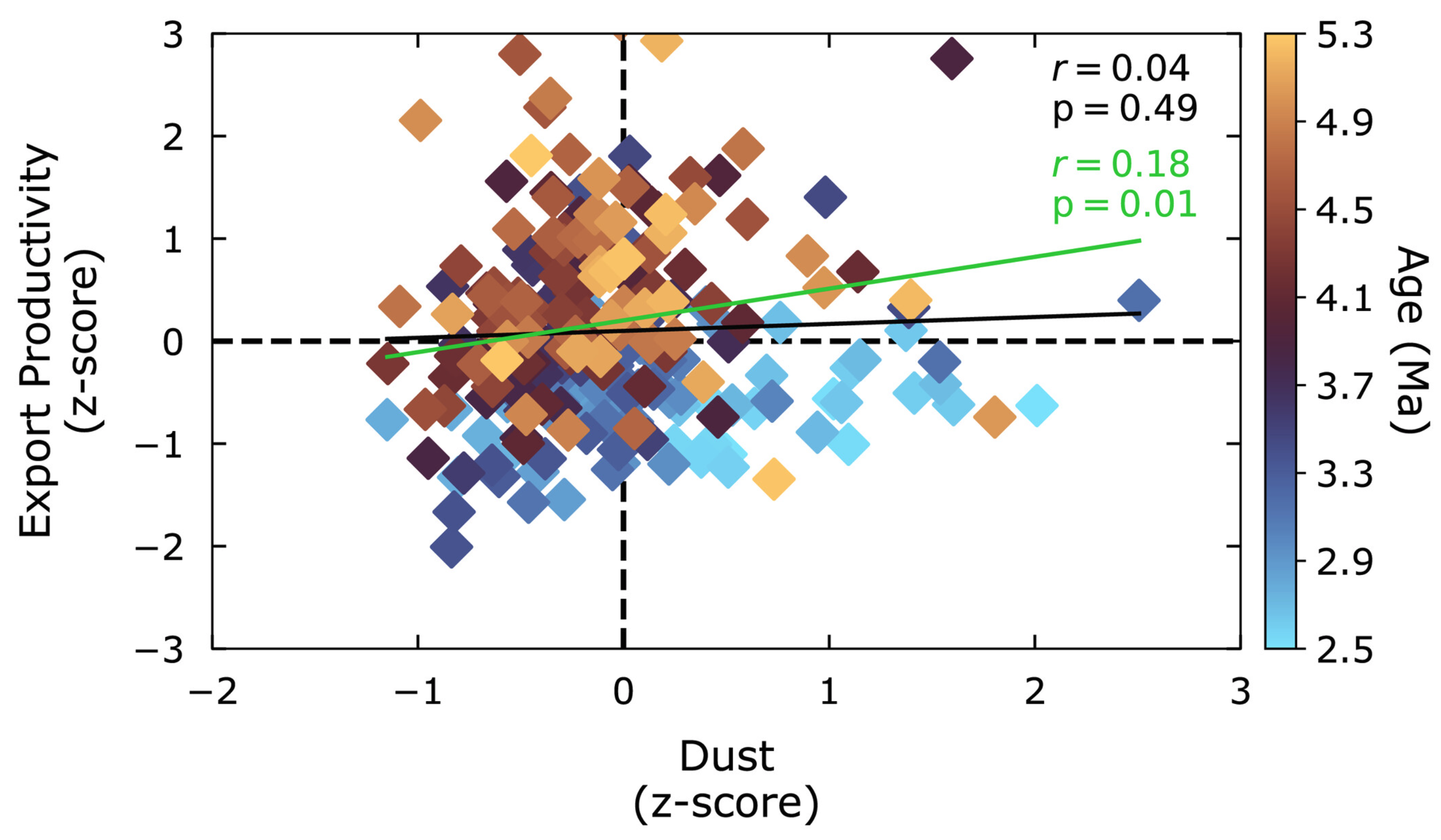
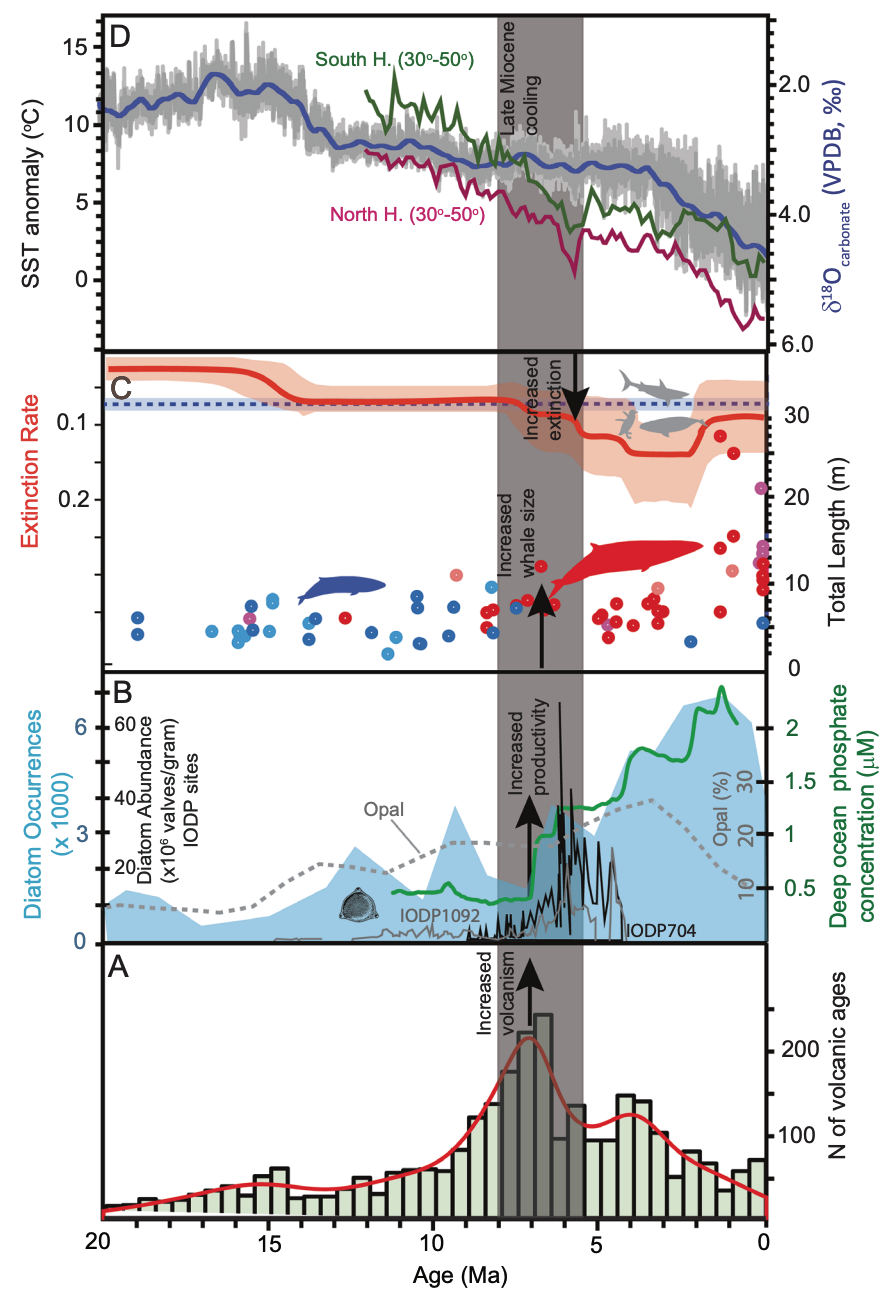
Assessment of Pliocene North Pacific dust and export productivity, suggesting no iron fertilization at this time (Abell et al., 2026).
Similar timing of Andean volcanic activity and Southern Ocean productivity and species turnover during the late Miocene (Carrapa et al., 2026).
THEME 2: DUST AS DRIVER AND TRACER OF EARTH SYSTEM CHANGE
While the Pliocene is an important analogue for future climate change, proxy-based estimates of dust emissions and deposition during this interval are highly variable depending on location and methodology, and are often difficult to reconcile with climate model output. To address this, we are compiling, synthesizing, and critically evaluating all available marine dust records from the Pliocene. Collaborators include Ann Dunlea (WHOI), Chloe Anderson (Harvard U.), Anya Crocker (Trinity College), Joshua Bridges (WSP), and Wenfang Zhang (Nanjing U.). This work will aid in our understanding of dust dynamics in deeper time.
In parallel, Lehigh U. undergraduate Takeru Hiura and PI Abell, in conjunction with George Mason U. collaborators Paul Acosta, Natalie Burls, and Ph.D. student Po Ju Chen, are working with the Community Earth System Model version 2 (CESM2) to assess the sensitivity of modeled Pliocene dust emissions to parameterizations based on topography, geomorphology, and vegetation. The goal is to bring modeled Pliocene dust emissions and deposition into alignment with reconstructions, and in doing so evaluate the reliability of deep-time dust reconstruction and modeling approaches.
Pliocene Dust: A Global Compilation and Synthesis
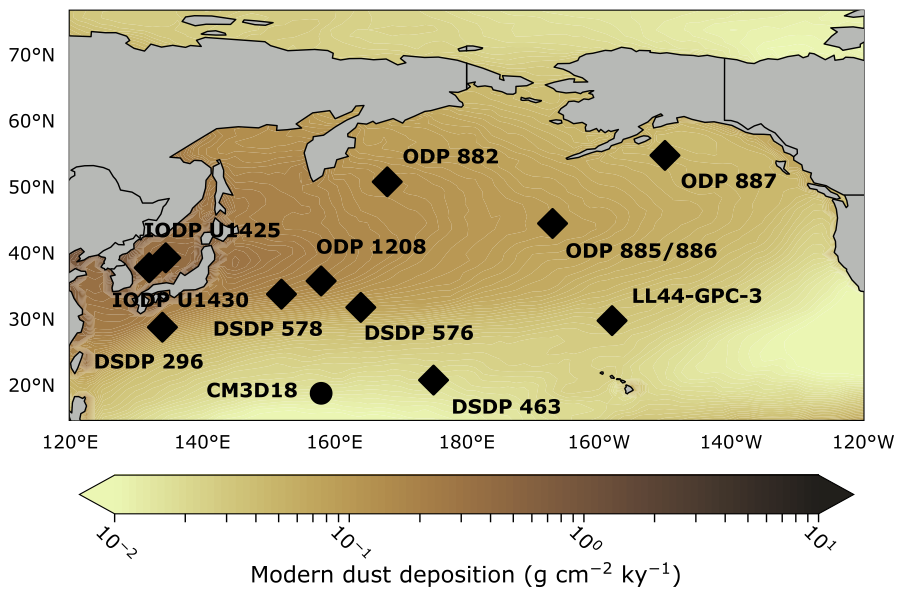
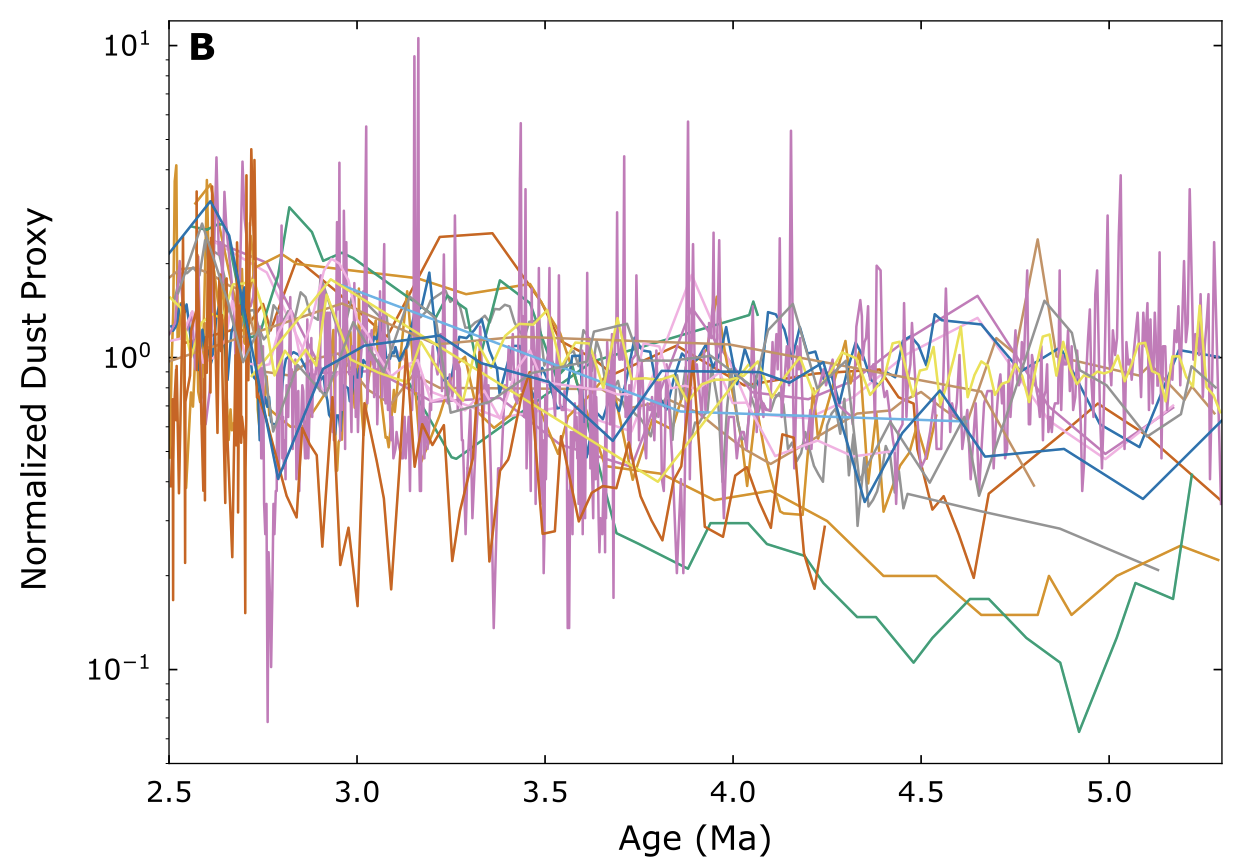
Comparison of North Pacific Pliocene dust records (Abell et al., In Prep.)
Asian Dust, Tectonics, and Landscape Evolution

Central and East Asia remain one of the most intensively studied regions for tectonic-dust-climate feedbacks. Building on our earlier work characterizing wind erosion, landscape evolution, and dust production in Chinese stony deserts (e.g., Abell et al., 2020a, 2020b; Zhang et al., 2020, 2022, 2025; Kapp et al., 2024), we are working with colleagues at Lehigh U. (Frank Pazzaglia and Ph.D. student Nora Vaughan), Clemson U. (Alex Pullen), and Chengdu U. of Technology (Dehai Zhang) to evaluate the connection between Central and East Asian climate, tectonics, and geomorphology on a multitude of timescales, and assess how these feedbacks provide information on past dust dynamics.
Current work includes exploring the impacts of tectonics on the formation of the Chinese Loess Plateau (one of the largest accumulations of dust on the planet) and regional hydroclimate. Additionally, Lehigh U. Ph.D. student Nora Vaughan is generating cosmogenic nuclide data to quantify wind erosion rates in the Hami Basin, China. Combined with existing published and unpublished datasets from across China and Mongolia, this will allow for a comprehensive assessment of the controlling factors of wind erosion across Central and East Asia today and in the past.
Unconsolidated gravel pavements in the Hami Basin, China.
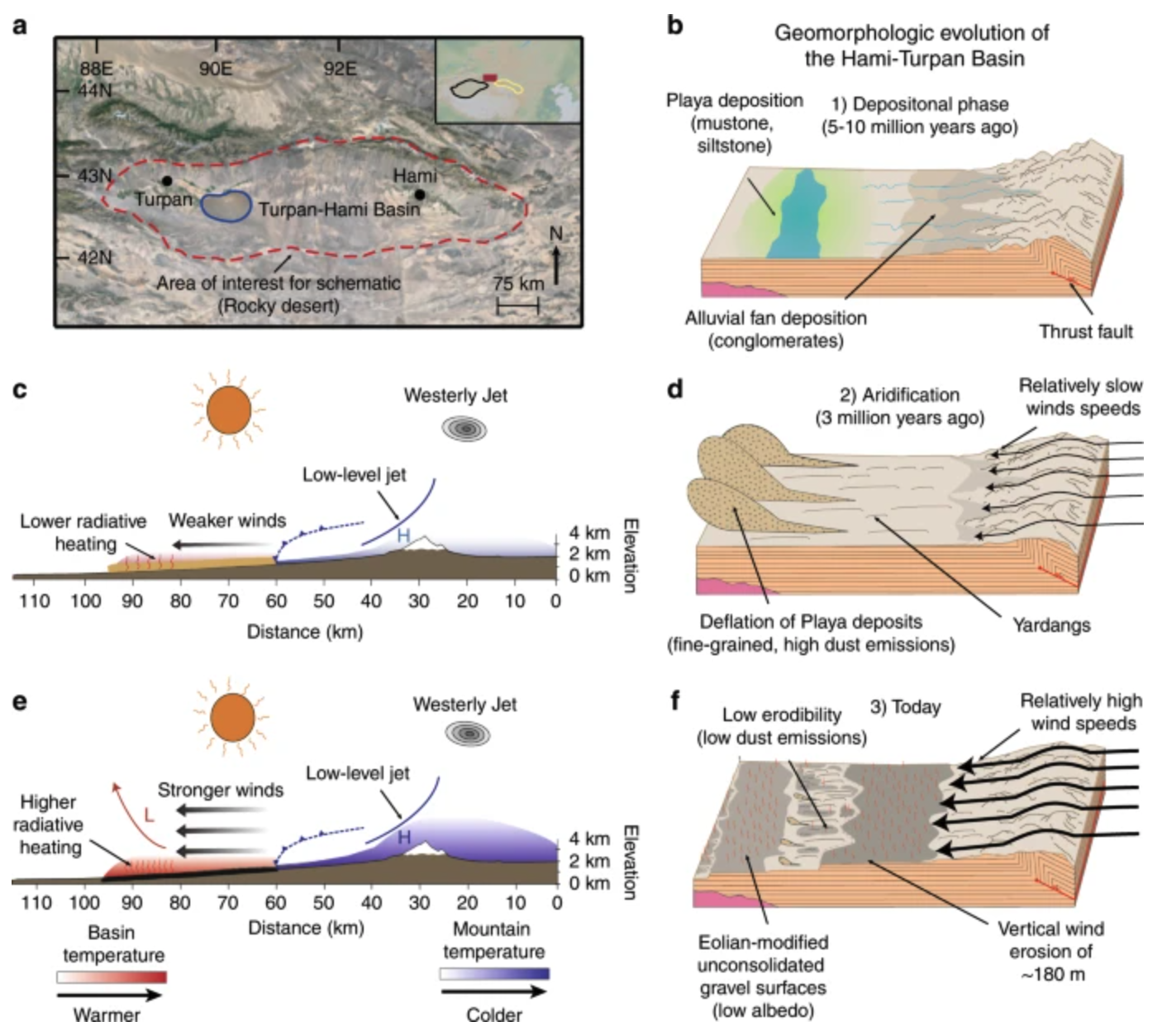
Schematic of Hami Basin landscape evolution (Abell et al., 2020)
Extraterrestrial 3He as a Constant Flux Proxy and Recorder of Astronomical Events
THEME 3: EXTRATERRESTRIAL HELIUM-3
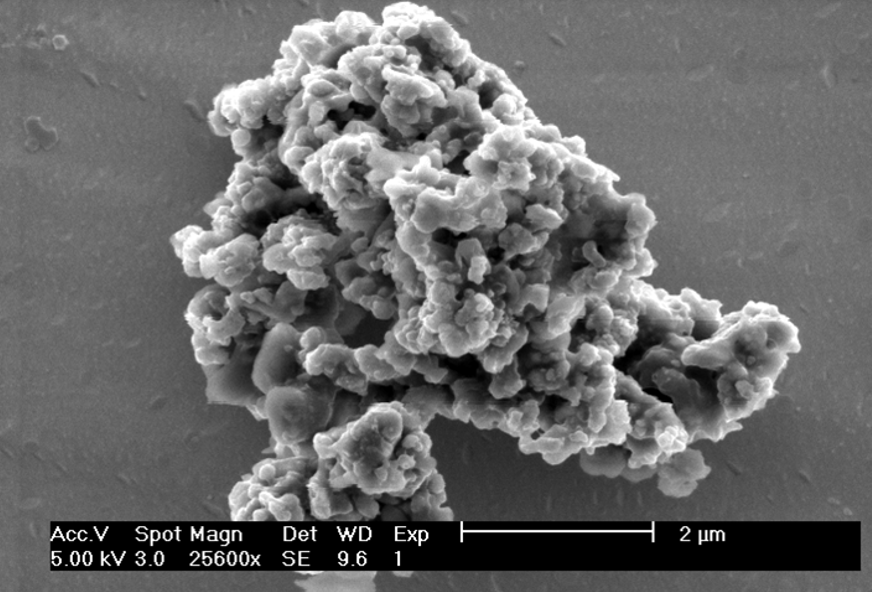
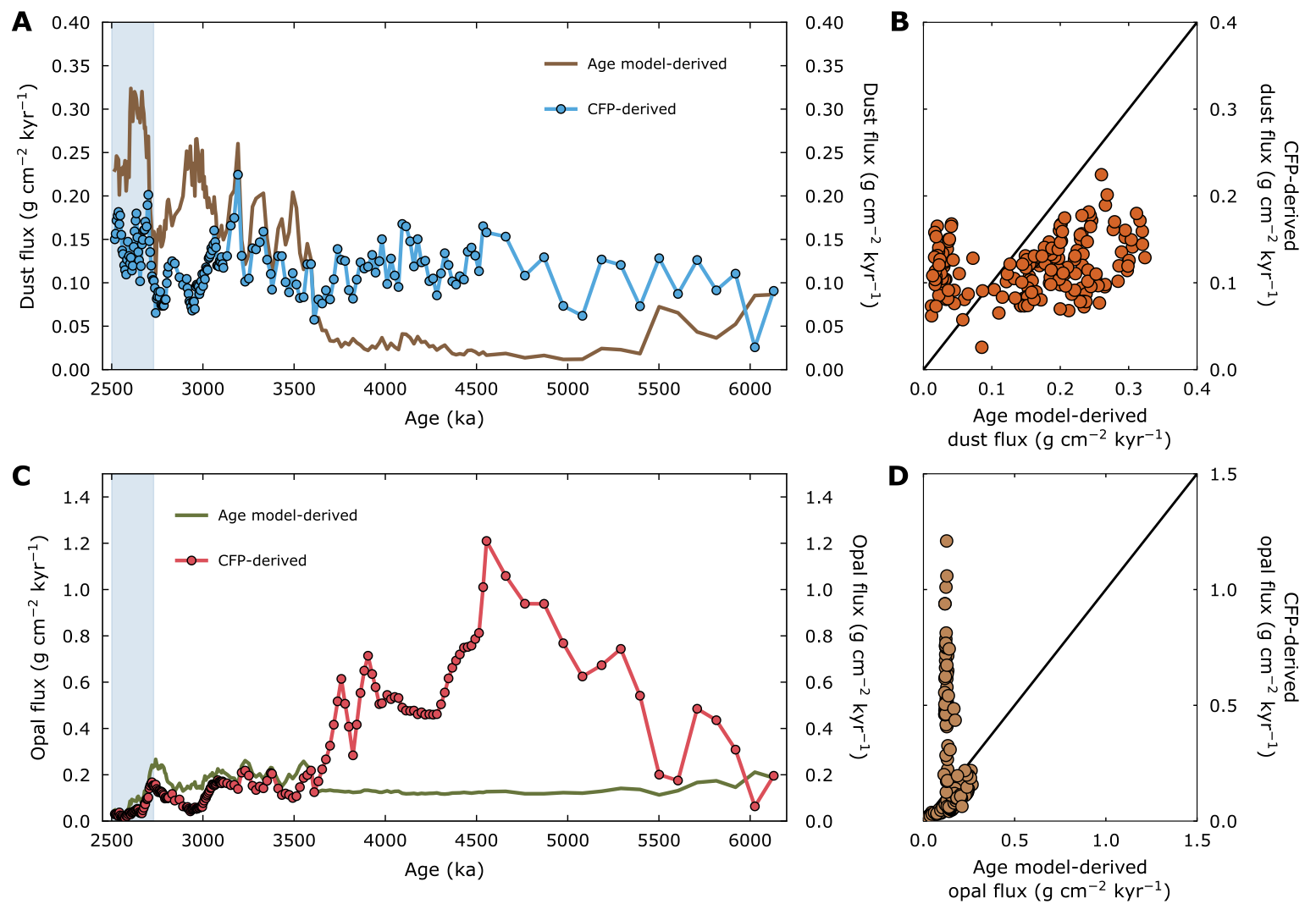
Interplanetary dust particles (IDPs) continuously rain down on Earth's surface, delivering extraterrestrial helium-3 (3HeET) to the seafloor. Because this flux is thought to be relatively constant in time and space, 3HeET preserved in marine sediments can be used as a ‘constant flux proxy’, which is an independent tool to determine the vertical rate of sediment accumulation at a given location and across a range of timescales. This is critical because inaccurate representations of marine sediment accumulation rates can lead to completely erroneous interpretations of past Earth system conditions. Despite being around for decades, this methodology is not widely utilized, and numerous aspects of the proxy remain under-explored. In a new perspective (Abell et al., In Review), we take stock of what the existing global record of 3HeET in marine sediments can tell us about the Cenozoic Earth system. By evaluating available 3HeET data spanning the last ~66 million years alongside complementary geochemical records, we detail and demonstrate both the broad utility of this proxy for reconstructing sediment accumulation rates across ocean basins and timescales. This work, along with decades of foundational studies by others, lay the conceptual and empirical groundwork for the two active research directions described below.
Validating the spatial consistency of the 3HeET flux: A core assumption of the 3HeET constant flux proxy is that IDPs fall to Earth at a constant rate everywhere. To test this, PI Abell has an active Lehigh U. Faculty Innovation Grant supporting a collaboration with Frank Pavia at U. Washington. For this project, we are measuring two constant flux proxies (3HeET and 230Th) in core-top sediments across all major ocean basins. Lehigh M.S. student Bangran Tang is currently processing a suite of marine sediment core-top samples for helium isotope analysis, which will be paired with 230Th measurements collected at U. Washington. The findings from this project will be important for global flux estimates of many marine sediment constituents.
3HeET, astronomical events, and ocean biogeochemistry: Beyond its use as a sedimentation rate proxy tool, anomalously high concentrations of 3HeET in marine sediments may record short-duration enhancements in IDP delivery to Earth linked to astronomical events. Lehigh U. M.S. student Jessica Melhorn and PI Abell are working with collaborators at LDEO (Ruolin Deng and Jennifer Middleton) and U. Vienna (Efrem Maconi and João Alves) to measure the flux of 3HeET and proxies for ocean productivity across the Miocene, which contain known astronomical events that could have led to anomalous inputs of extraterrestrial material. Our proposed datasets would add evidence for or against connections between perturbations within the climate system on Earth and perturbations within (or outside) our solar system.
Interplanetary dust particle. Photo Credit: N. Spring
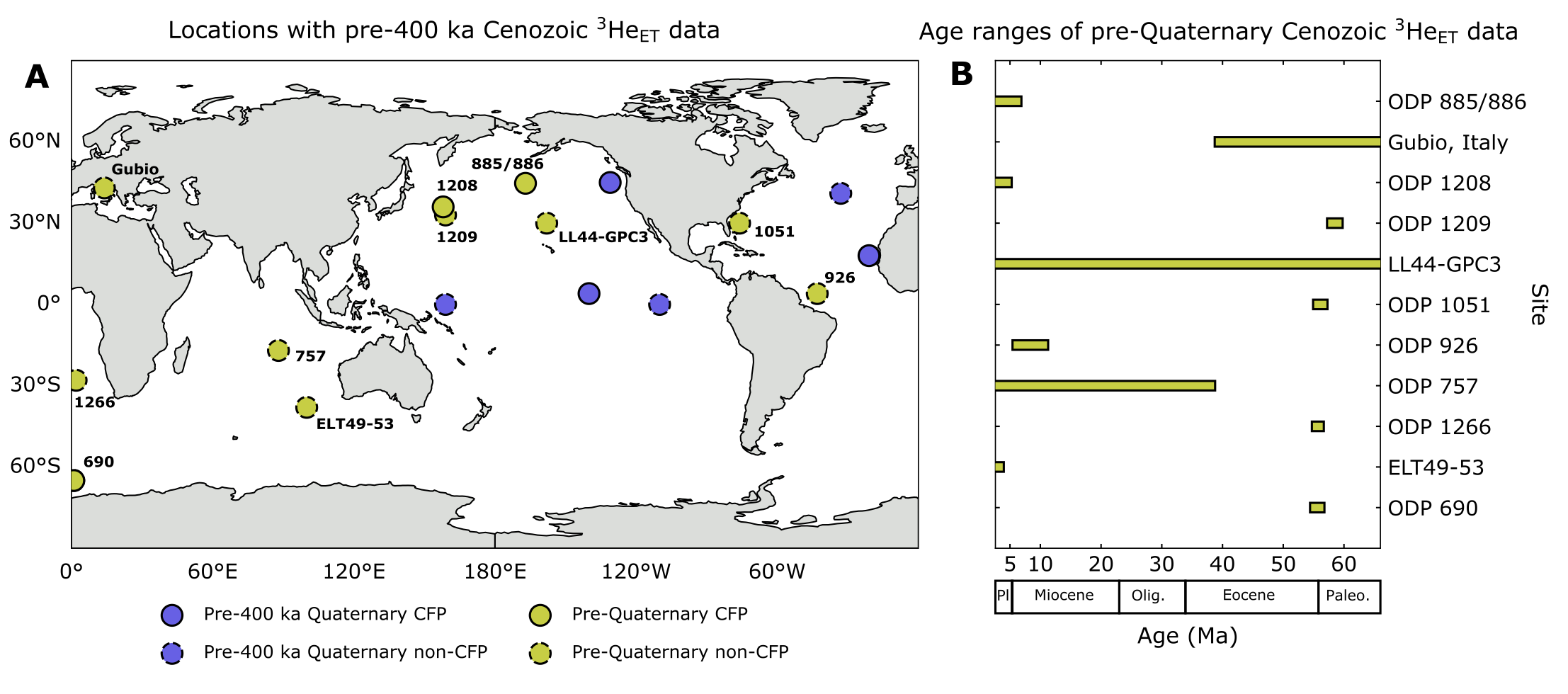
Available 3HeET data for the Cenozoic (Abell et al. In Review)
Example of differences in marine sediment constituent flux (dust and opal in this case) when using traditional sedimentation rate estimates and those from 3HeET (Abell et al. In Review).
THEME 4: GEOARCHAEOLOGY

Expanding the Geoarchaeologist's Geochemical Toolkit
Geochemical methods developed for Earth system science can provide unique insights in other fields, with archaeology being a prime example. Building on our previous work demonstrating that urine salts preserved in archaeological sediments can quantify the scale and intensity of animal management at early Neolithic sites (Abell et al., 2019), our collaborators and the GP3 Lab continue to develop and expand this approach to address a broad range of archaeological questions related to animal domestication and use of space.
Aşıklı Höyük and Balıklı, Turkey: With NSF funding (NSF Archaeology and Archaeometry program), we are continuing to develop our geochemical methodology at Aşıklı Höyük and Balıklı in central Anatolia. This work addresses several assumptions inherent to our earlier approach and incorporates additional elements and isotopes to improve the effectiveness of our mass balance models. One component of this project is currently led by U. Arizona Ph.D. student Amanda Semanko, with the other being jointly led by Susan Mentzer (U. Tubingen), Mary Stiner (U. Arizona), and PI Abell. Key collaborators include Jay Quade (U. Arizona), Natalie Munro (U. Connecticut), Melis Uzdurum (U. Helsinki), Güneş Duru (Mimar Sinan Fine Arts U.), and Mihriban Özbaşaran (Istanbul U.).
South Africa and France: We have generated major, trace, and rare-earth element data for sediments from Blombos Cave and Diepkloof Rockshelter in South Africa (with Susan Mentzer at U. Tübingen) to assess the contribution of bat and hyrax deposits to anthropogenic and natural material, and from material at Pech de l'Aze IV Rockshelter in France (with Vera Aldeias at U. Algarve and Paul Goldberg at Boston U.) to evaluate the influence of burning on sediment diagenesis in a Neanderthal occupation site. PI Abell recently received a Visiting Researcher Fellowship from U. Tübingen for summer 2026 to support the preparation of several manuscripts with Susan Mentzer stemming from this work .
Link to NSF-BCS-Archaeology and Archaeometry grant funding the Aşıklı Höyük project
Urine salts paper here
Article on our work in The Atlantic
Reconstructions of buildings thought to exist during the Neolithic occupation of Aşıklı Höyük in modern-day Turkey. Photo credit: Güneş Duru.
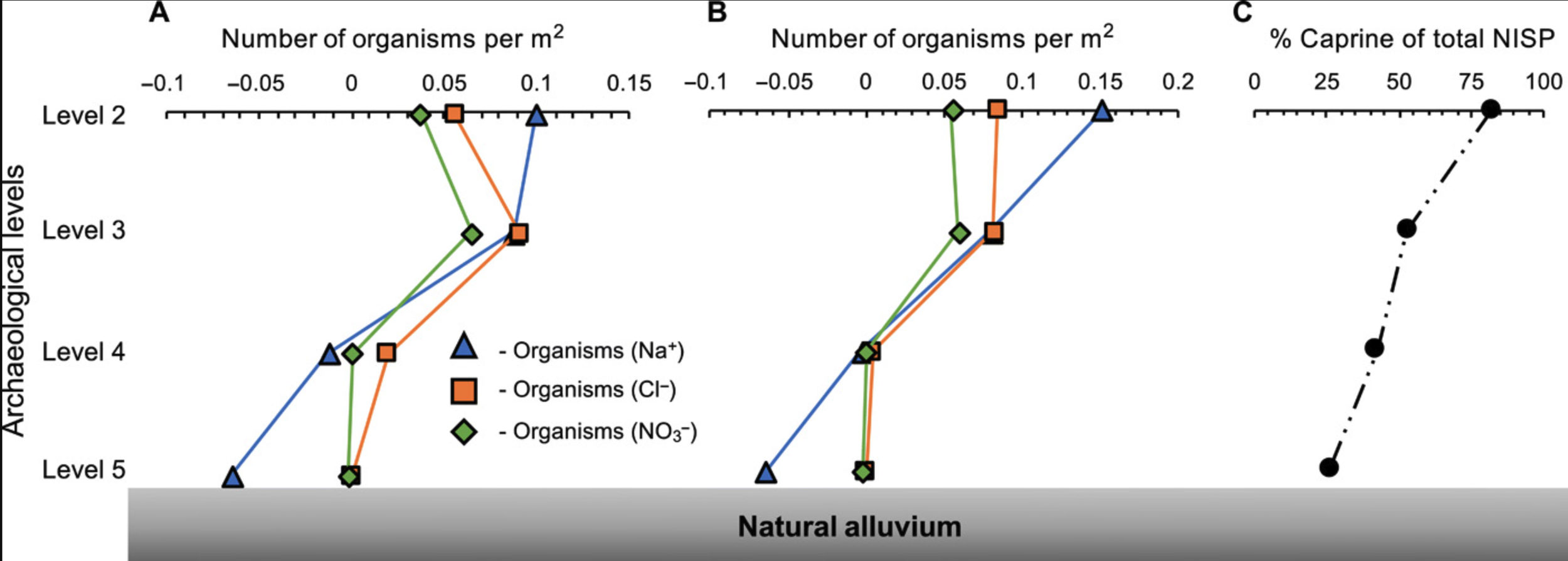
Estimates of organism density at Aşıkli Höyük, modern-day Turkey, based on soluble salt concentrations and a mass balance model (Abell et al., 2019).